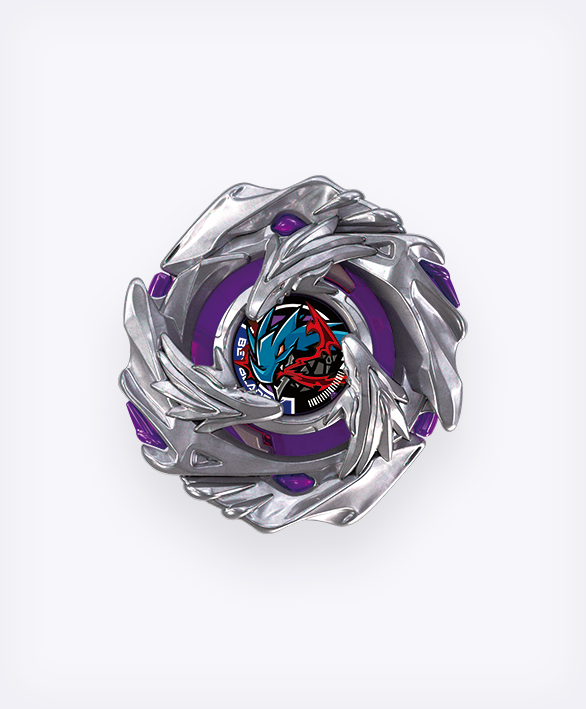
Which complete Low Cyclone combo should I test first?
Start with Luster Dragoon 6-60 Low Cyclone; it is labelled as a official stock pairing with the note “Takara Tomy BX-52”. There is no second verified build yet, so do not invent one just to fill a deck.
What battle problem is Low Cyclone meant to solve?
Low Cyclone is mainly used for aggressive movement and early knockout pressure. Its lower profile can reduce height but may change scraping risk. Final performance depends on the Blade, Ratchet, stadium and launch.
How much recent tournament evidence is there for Low Cyclone?
Low Cyclone does not appear in the 20 recent winning decks reviewed by BeyXBuild. That does not make it unusable; it means the site should not call it a tournament-proven staple yet.
Low Cyclone is mainly used for aggressive movement and early knockout pressure. Its lower profile can reduce height but may change scraping risk. Final performance depends on the Blade, Ratchet, stadium and launch.
Treat this as a testable starting point, not a win guarantee. The Blade, other parts, stadium and launch can change the result.
HOW TO OBTAIN & MEASURED DATA
Low Cyclone weight and release variants
Loading verified catalog data…
COMPLETE BUILD STARTING POINTS
Blade, Ratchet and Bit combos using Low Cyclone
Start with tournament or stock evidence, then test for your launch and stadium. Every card shows the complete three-part build.
Compare Low Cyclone directly with the Rush Bit in the same complete build. Run at least five launches per side and record knockouts, bursts, self-knockouts, scraping and spin finishes; change only this one part.
What result means Low Cyclone should leave my three-Bey deck?
Drop it if the extra movement produces more self-knockouts and early spin loss than clean knockouts. Record those outcomes separately over repeated launches.
 BEY