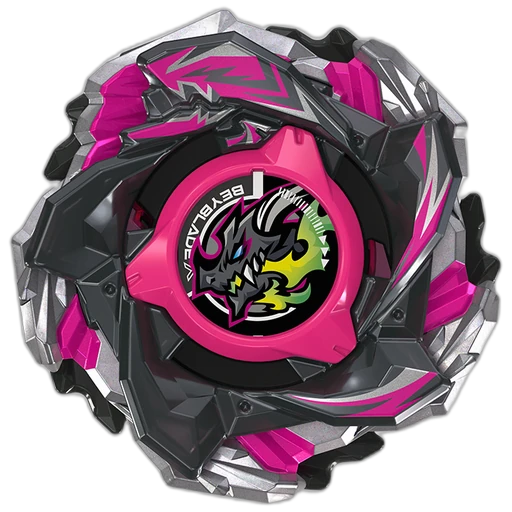
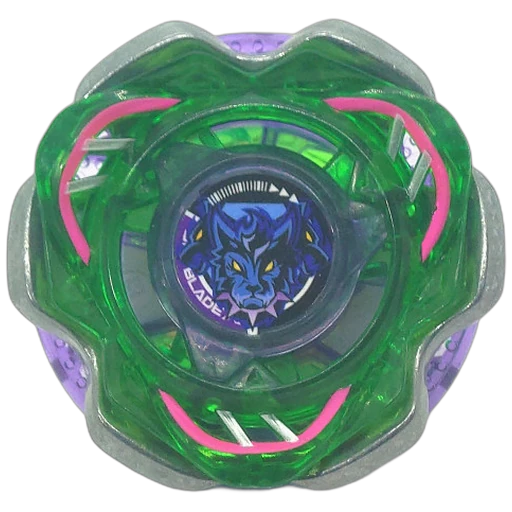
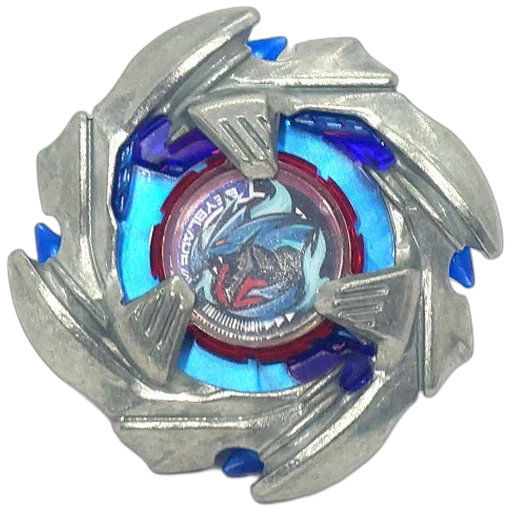
BEY
01
Tournament top-cut build32% of this Blade’s recent podium builds
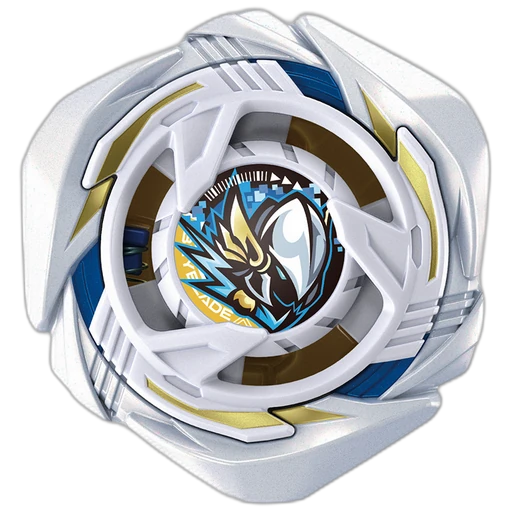
Attack type · Right spin · UX line
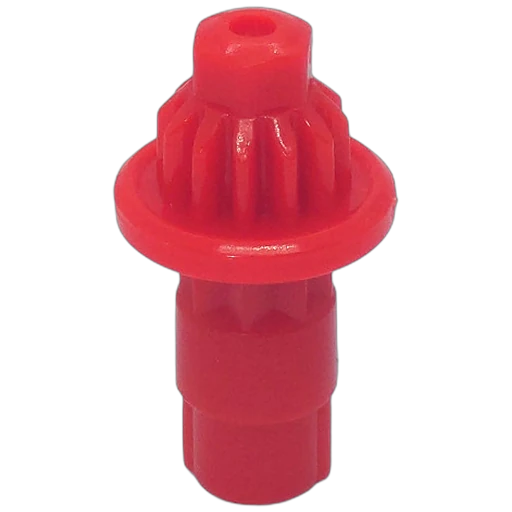
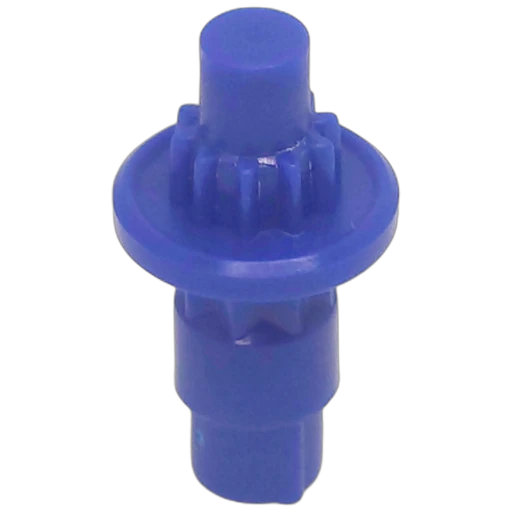
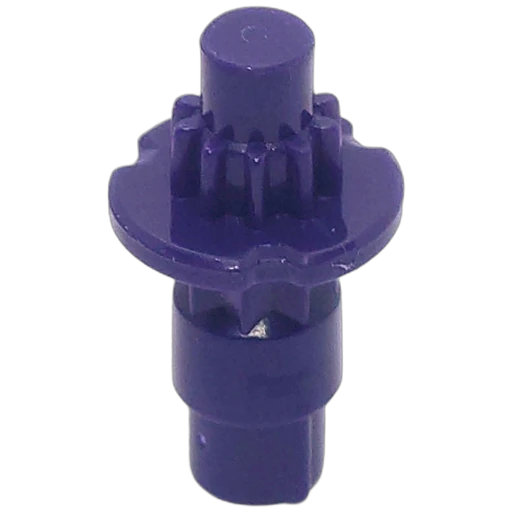
Start by comparing Kick, Rush and Low Rush with your stock Low Flat (LF). Glory Valkyrie has an integrated Ratchet, so a build is the Expand Blade plus a Bit—not a separate 1-60 or 9-60 Ratchet.
In the four-week sample checked on 2 October 2026, Kick made up 33%, Rush 19% and Low Rush 13% of recorded Glory Valkyrie podium builds. Across 180 all-time podium decks, the longer-run shares were 22%, 17% and 9%. These are usage shares among successful reported decks, not match win rates.
Use LF as your baseline. Keep the same opponent, stadium and launch position; try five launches with each candidate. Record spin finishes, knockouts, bursts and self-knockouts separately. Repeat close results before choosing your tournament Bit.
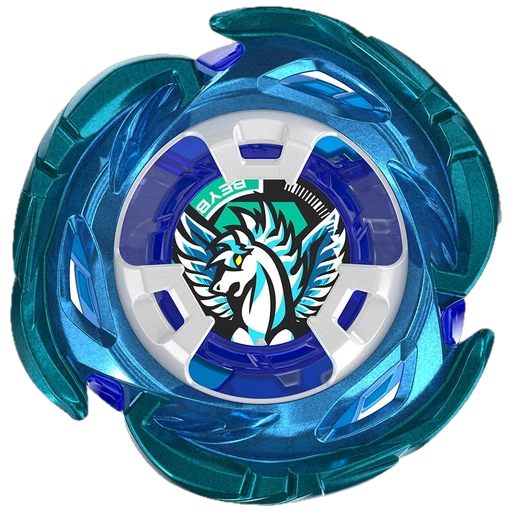
The standard starter contains Glory Valkyrie LF and a String Launcher. A Beyblade X stadium is sold separately. Check the local event’s permitted releases before using an imported version in Malaysia or Taiwan.
Checked 2 October 2026. Sources: Takara Tomy UX-20Beycrate — Glory Valkyrie
Current-meta builds use the latest four-week podium sample. Reported alternatives come from the full tournament record. Role-based test setups appear only when no verified podium sample exists.
This Attack blade aims to convert early speed and hard contact into knockouts. Lower ratchets reduce exposed underside area, while mobile bits help it reach the X-Celerator rail.
RatchetRatchet height and shape affect burst exposure, balance and how the blade meets an opponent.
BitThe Bit controls movement, grip, stamina and how aggressively the Bey uses the X-Celerator rail.
Major or qualifying event. The exact organiser notice controls age, release and equipment requirements.
Higher-level or special event. Confirm its format and allowed Malaysian releases before entering.
Malaysian listings commonly use 3-on-3, first to four points, with no repeated parts in the deck.
Before entering: use eligible Takara Tomy Beyblade X parts, avoid repeated parts in 3-on-3, keep parts unmodified and safe, and follow the judge’s final decision.
Product identity and stock configuration were checked against the Takara Tomy lineup. Catalogue images are matched by exact part ID with Beyblade X Database, while measurements are cross-checked with BeyGear. Current build evidence uses 560 podium decks from 190 WBO events in the latest four-week tournament snapshot. Read the full methodology.
Kick, Rush and Low Rush are the leading documented starting points. In the four-week sample checked on 2 October 2026, their shares of recorded Glory Valkyrie podium builds were 33%, 19% and 13%. Test them against stock LF; usage alone does not establish the best Bit for your launch.
Its UX Expand Blade integrates the Ratchet. Do not add a separate 1-60, 9-60 or other conventional Ratchet; change the Bit when comparing these builds.
No. The Glory Valkyrie LF starter includes a String Launcher, but the Beyblade X stadium is sold separately.
Glory Valkyrie · Rush: this Blade has an integrated Ratchet function, so the comparison changes only the Bit; Rush adds controlled attack movement and reliable access to the X-Celerator rail. Glory Valkyrie · Low Rush: this Blade has an integrated Ratchet function, so the comparison changes only the Bit; Low Rush keeps the attack pattern lower while retaining rail pressure.
Use it to create knockout pressure before stamina specialists can settle. Track self-knockouts separately because an aggressive launch can cost the round. It ranks #3 in the current four-week sample with 25.7% podium-deck usage, so it can be tested as a core slot; still avoid repeating parts across the other two Beys.
Leave it out if repeated tests show more self-knockouts and early spin losses than clean knockouts against the stamina or control target it is meant to beat. It ranks #3 in the current four-week sample with 25.7% podium-deck usage, so it can be tested as a core slot; still avoid repeating parts across the other two Beys.